Mui Ne kitesurfing guide: wind season, spots, lessons and prices
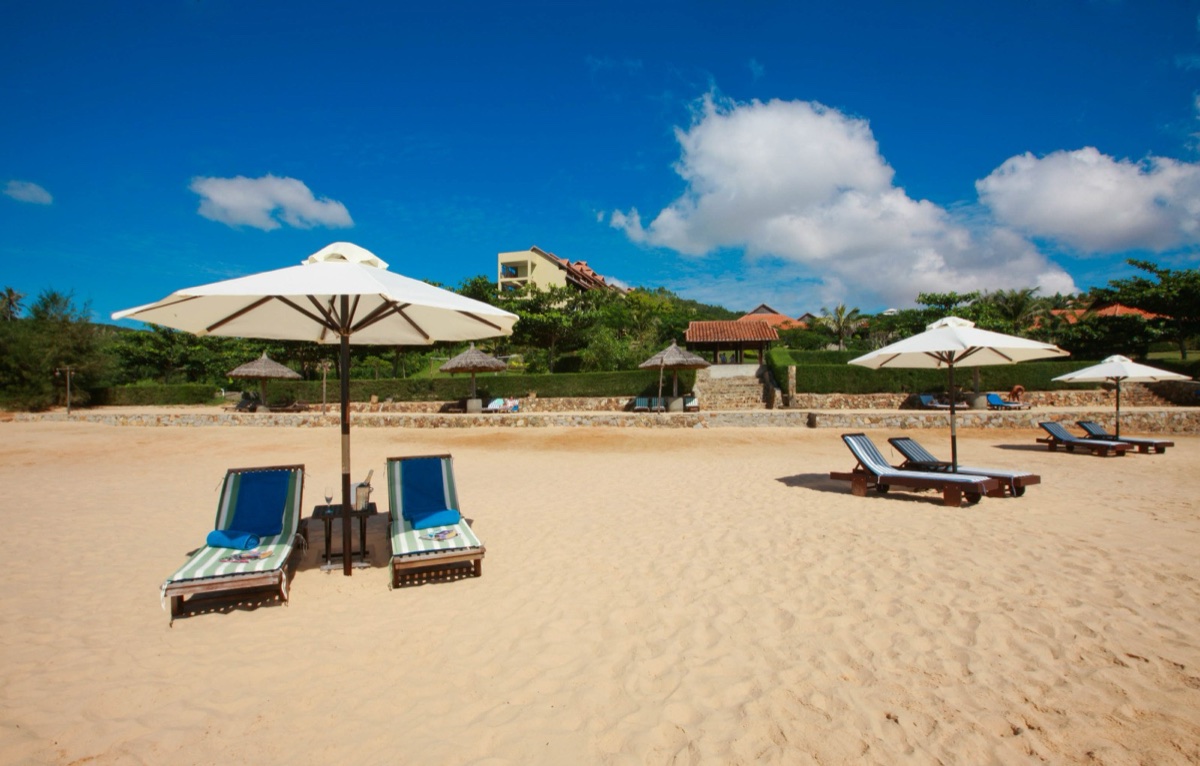
Quick answer: Mui Ne is Vietnam's best-known kitesurfing base because the north-east monsoon blows most days from roughly November to April, strongest from December to March, when afternoons of about 18–25 knots are typical on the main beach. Mornings are lighter, so that is when beginners learn. A beginner course of about 9–12 hours over three or four days costs roughly US$450–650 as of November 2026, and rental shops usually ask for an IKO Level 3 card. From May to September the wind is lighter, so many riders switch to bigger kites, foils or wing foiling.
Why is Mui Ne known for kitesurfing?
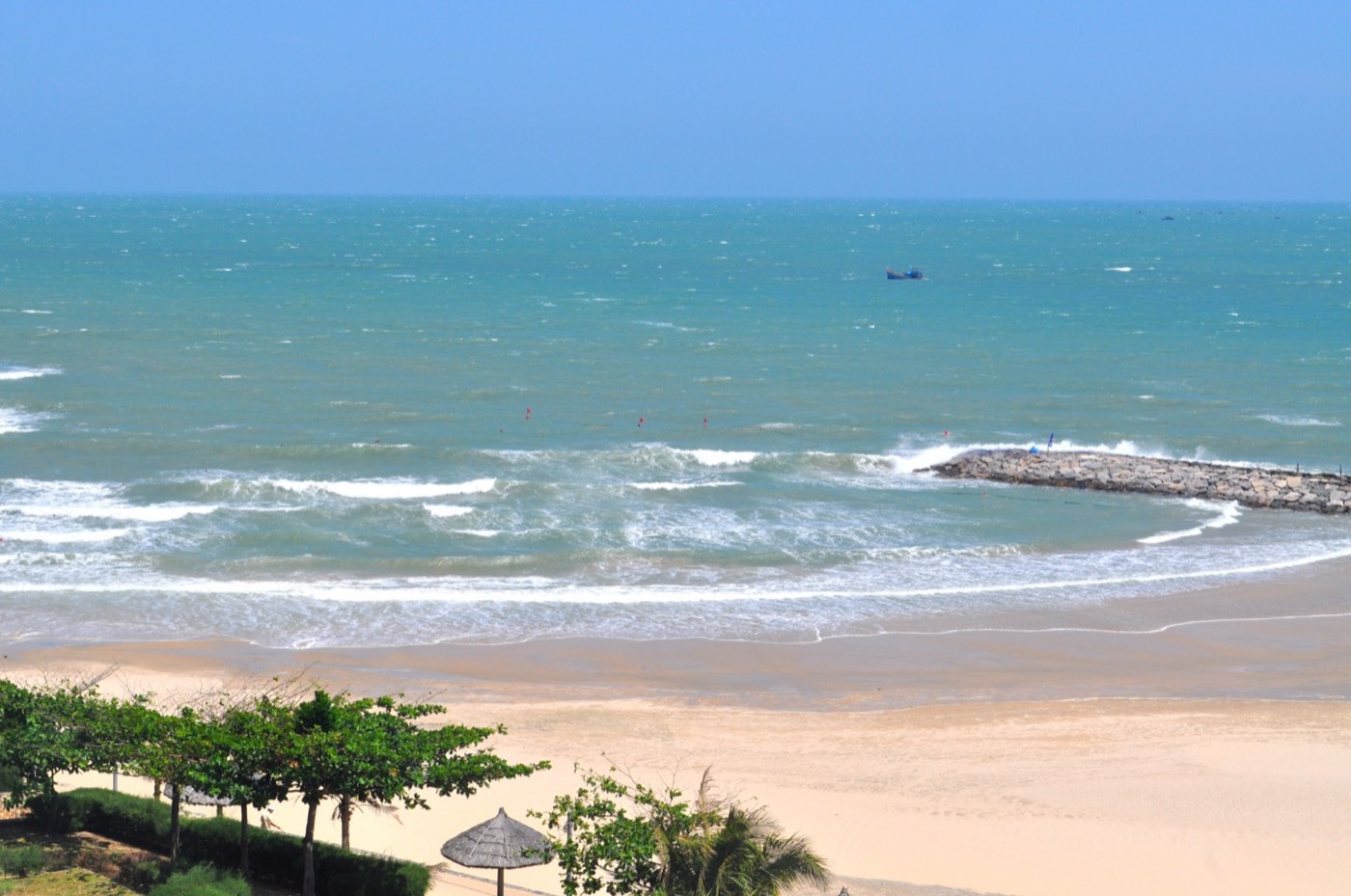
Four things come together. Wind: guides count roughly 230–260 days a year with wind above about 12 knots. Dunes: as the land heats up, the sea breeze adds to the monsoon, so the wind usually builds through the day. Warm water: you ride in a rash vest, not a wetsuit. Choice and cost: schools and rental centres line the main beach, and prices are lower than in many kite destinations.
Visitors who came for the total solar eclipse of 24 October 1995 put the fishing village on the map, and wind-sport riders followed (National Geographic). The bay has since hosted the PWA windsurfing World Cup (Viet Nam News), and in June 2026 the French magazine Figaro Nautisme described Mui Ne as one of Asia's leading kitesurfing destinations (Viet Nam News).
When is the kitesurfing season in Mui Ne?
The windy season follows the north-east monsoon, roughly November to April. Long-term model data for Phan Thiet put the windier part of the year at mid-November to late March, with January the windiest month; winds come mostly from the east in that period and mostly from the west from June to September (Weather Spark).
| Month | Typical afternoon wind on the beach | Area average, day and night | Good for |
|---|---|---|---|
| October | Unreliable; may start late in the month | About 7 knots | Foilers, flexible dates |
| November | 15–25 knots, building | About 9 knots | Learners and all levels |
| December | 18–30 knots | About 10 knots | All levels; learners in the morning |
| January | 18–30 knots, strongest gusts of the year | About 11 knots | Intermediate riders and up, small kites |
| February | 18–30 knots | About 10 knots | All levels |
| March | 15–25 knots | About 9 knots | All levels, good for learners |
| April | 10–18 knots, more light days | About 8 knots | Learners, foilers |
| May | Light and unreliable | About 7 knots | Surfing, paddleboarding, rest |
| June–September | 10–14 knots from the south-west or west, with showers | About 8–9 knots | Big kites, foils, wing foiling |
Afternoon figures are what local schools and kite guides report. Area averages are Weather Spark's monthly mean hourly wind for Phan Thiet in knots; they include nights, so they read far lower than a beach afternoon. Use them to compare months, not to predict a session. For weather beyond wind, see best time to visit Mui Ne.
In season the wind usually fills in from late morning and peaks in the afternoon; Vietnam Tourism puts the busiest kiting hours at about 11 am to 4 pm (Vietnam Tourism). Most riders use 7–12 m kites in high season and 14 m kites or foils in summer. Before each session, check a forecast and the live station readings on Windfinder.
Where to kitesurf in Mui Ne: the main spots
| Spot | Where | Conditions | Level |
|---|---|---|---|
| Main kite beach | Along the Ham Tien–Mui Ne strip, where most schools are | Side- to side-onshore in season; chop, waves and a shore break that can dump at high tide | All levels with a school; learners in the morning |
| Harbour wall | Western end of the bay, towards Phan Thiet | The area's main flat-water spot, best early; gusty and shifting after about 1 pm | Independent riders, freestyle |
| Malibu (Ganh beach) | Past Mui Ne village, 15–20 minutes by road from the main beach | More onshore, with waves; litter on the sand at times | Sources differ; best with a school or once you ride confidently |
| Suoi Nuoc and beyond | North of the cape | Gustier, waves outside, fewer people | Experienced riders |
| Phan Rang (Ninh Thuan) | About 150 km north, 3–5 hours by road | Stronger wind; shallow lagoon at My Hoa | Intermediate riders and up, as a separate trip |
The classic downwinder runs about 12–15 km from the main beach towards Phan Thiet. It is for confident riders only and is best organised with a school that arranges the car back.
You may see Hon Rom and the Bau Trang lakes mentioned as kite spots. Hon Rom, near the tip of the cape, is better known as a calm swimming beach, and the lakes by the White Sand Dunes are a sightseeing stop; we found no reliable reports of kiting there, so do not build a session around either.
Phan Rang is a different scene: VnExpress International describes My Hoa as a broad, shallow lagoon with winds of up to 35 knots in the November–March high season (VnExpress International). If you fly in for it, Cam Ranh is the nearest airport; see Cam Ranh Airport to Mui Ne.
How do beginners learn kitesurfing in Mui Ne?
Most schools follow the curriculum of the International Kiteboarding Organization (IKO), which runs in three stages:
- Discovery (Level 1): safety, how the wind window works and first kite control, usually on the sand and in shallow water.
- Intermediate (Level 2, about 4 hours on average): entering the water with the kite, relaunching it, body-dragging, recovering the board, an introduction to self-rescue and the first water starts.
- Independent (Level 3, about 8 hours on average): controlling speed, riding upwind, turning, launching on your own and self-rescue in deep water. IKO courses start at age 12 (IKO).
Schools in Mui Ne generally quote 9–12 hours of instruction before most people ride on their own. Lessons usually run two to three hours, often in the morning, so plan three or four days and leave room for a windless or overpowered day.
When you choose a school, look for:
- IKO affiliation and an instructor card you can see.
- A clear student-to-instructor ratio, or one-to-one teaching.
- A rescue boat or jet ski on the water during lessons.
- Well-kept gear in sizes that suit your weight.
- A clear list of what is included: gear, the IKO card, beach access.
- A written policy for no-wind days, such as unused hours carrying over.
How much do kitesurfing lessons cost in Mui Ne?
| What | Typical price (as of Nov 2026) |
|---|---|
| Private lesson, 1 hour | US$40–65 (about 1–1.7 million VND) |
| Taster, 2–3 hours | US$120–150 |
| Beginner course, 9–12 hours | US$450–650 |
| Full kite kit rental, 1 day | US$30–75 |
| Full kite kit rental, 1 week | US$400–480 |
| Wing foil introduction, 2 hours | About US$120 |
| Windsurf lesson, 1 hour | From about US$50 |
These ranges come from schools' published price lists and recent guides. Rates vary with the school, the month, private or group teaching and what is included, so ask for a written quote. Some schools charge a small daily fee for beach access, lockers and showers.
Renting gear and what to bring
Rental shops usually ask for an IKO Level 3 card, or a supervised check on the water, and may take a deposit. Heavier riders should ask whether larger kites and boards are in stock.
Pack a long-sleeved UV rash vest, reef-safe sunscreen, sunglasses with a strap and a hat. Water shoes help where litter washes up.
Is kitesurfing in Mui Ne safe?
It is as safe as your school and your judgement. The main risks are:
- Crowds: December to February afternoons are busy. Follow right-of-way rules, give learners space and launch only in designated areas.
- Shore break: at high tide the main beach can dump; get help launching and landing.
- Offshore wind: never ride an offshore or cross-offshore spot without experience and boat support.
- Overpowering: on the strongest January and February days, size down or sit out.
- Swimmers and flags: stay clear of swimming areas and follow beach flags and lifeguards.
- Sun and heat: drink water between sessions and cover up at midday.
- Insurance: GOV.UK advises checking that your policy covers sports and adventure activities, which can need specialist cover or an add-on (GOV.UK).
Windsurfing, wing foiling and surfing in Mui Ne
Windsurfing has a long history in Mui Ne and still has a strong following in the cross-shore chop. Wing foiling suits the lighter summer winds, when a big kite would struggle. Schools also teach surfing on days with small waves, and calm mornings suit paddleboarding.
What can non-kiters do in Mui Ne?
Plenty. The White Sand Dunes, Fairy Stream, fishing harbour and Cham towers are all within an hour; see things to do in Mui Ne and jeep tours to the dunes. Slower days can mean golf at Sea Links, tennis or a spa appointment.
At Romana, the pool and jacuzzi are open 06:00–22:00, Oceania Spa 09:00–22:00, and the tennis and pickleball courts are free 06:00–17:00 when booked at the Front Desk. See experiences at Romana.
Where to stay for a kitesurfing trip
To walk to your lesson, stay on the Ham Tien–Mui Ne strip, where most schools are. Quieter areas nearer Phan Thiet mean a taxi or Grab ride each day; compare them in where to stay in Mui Ne and Mui Ne without a motorbike.
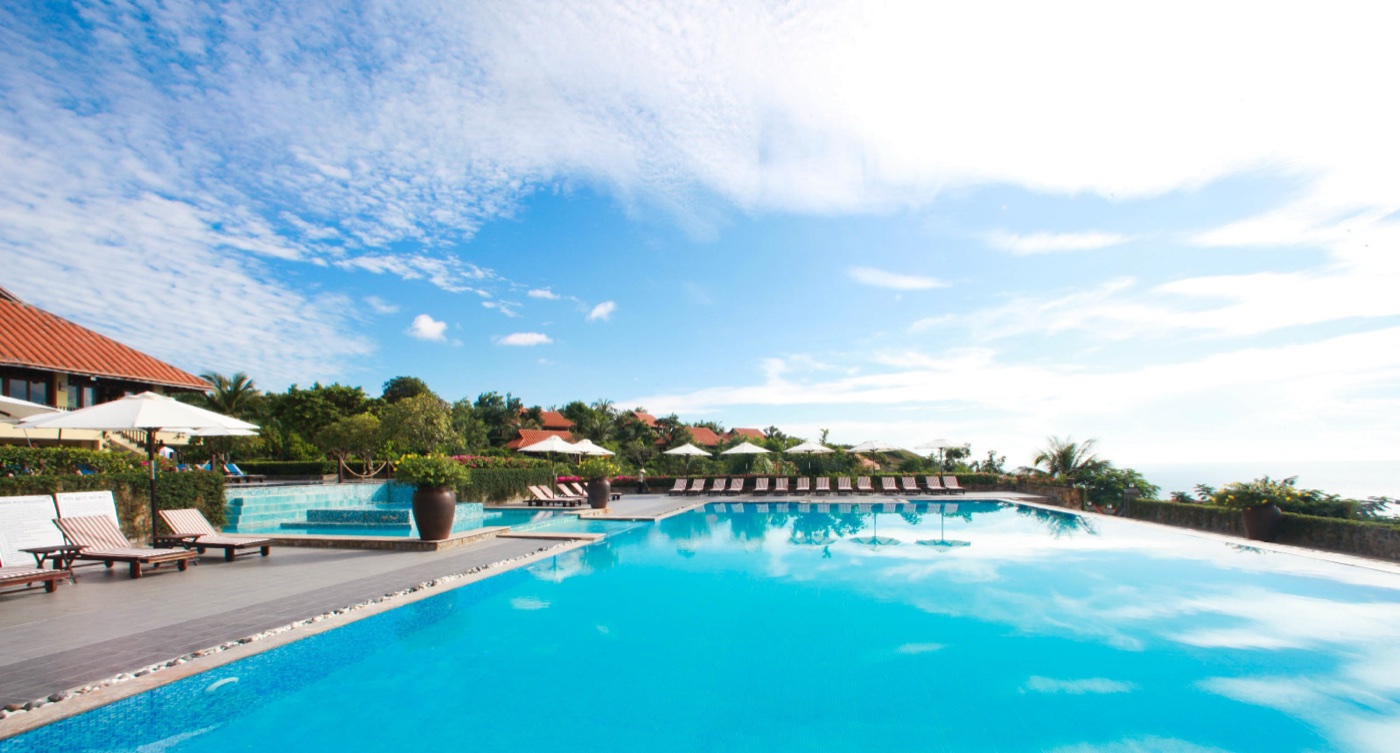
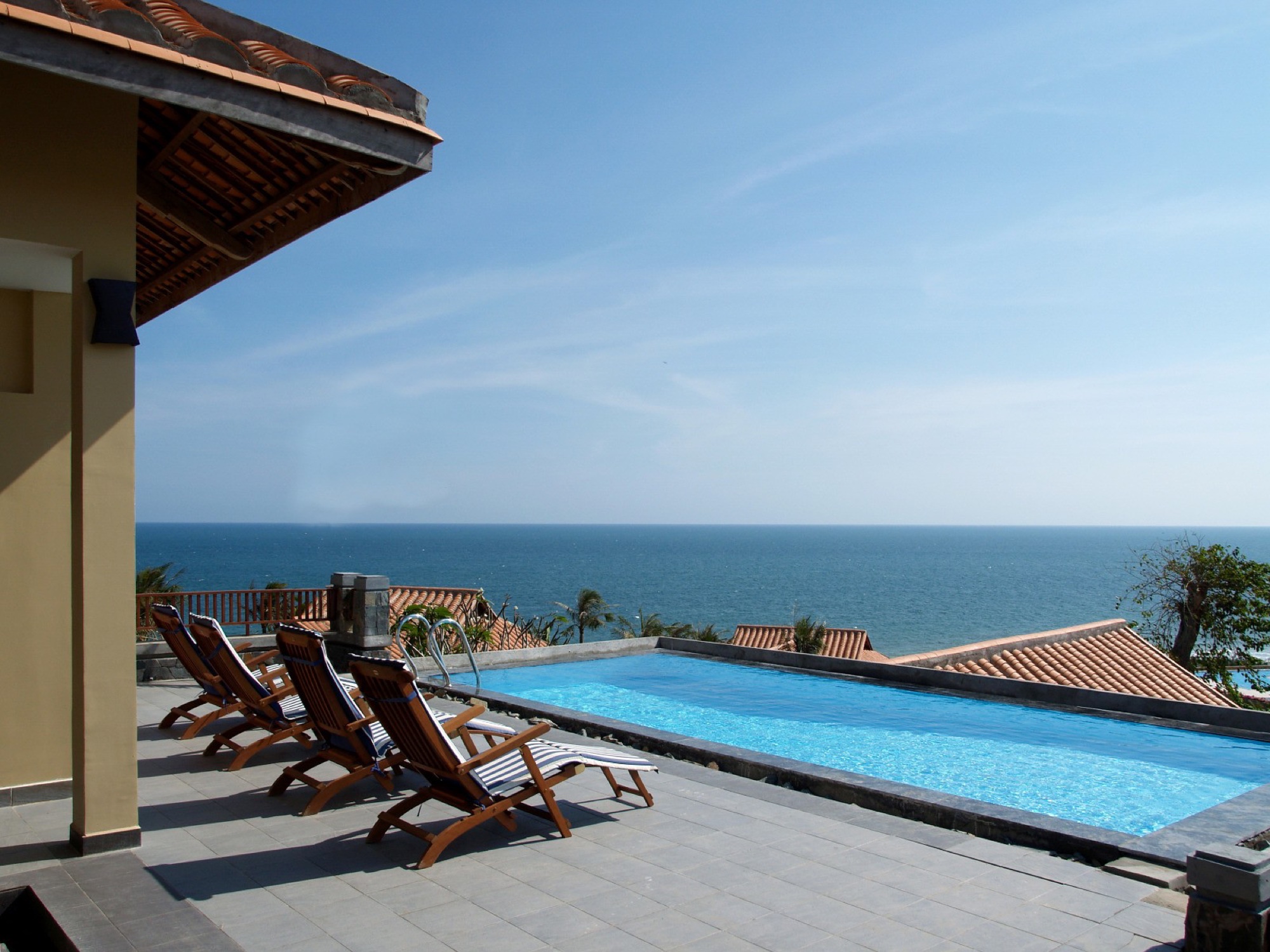
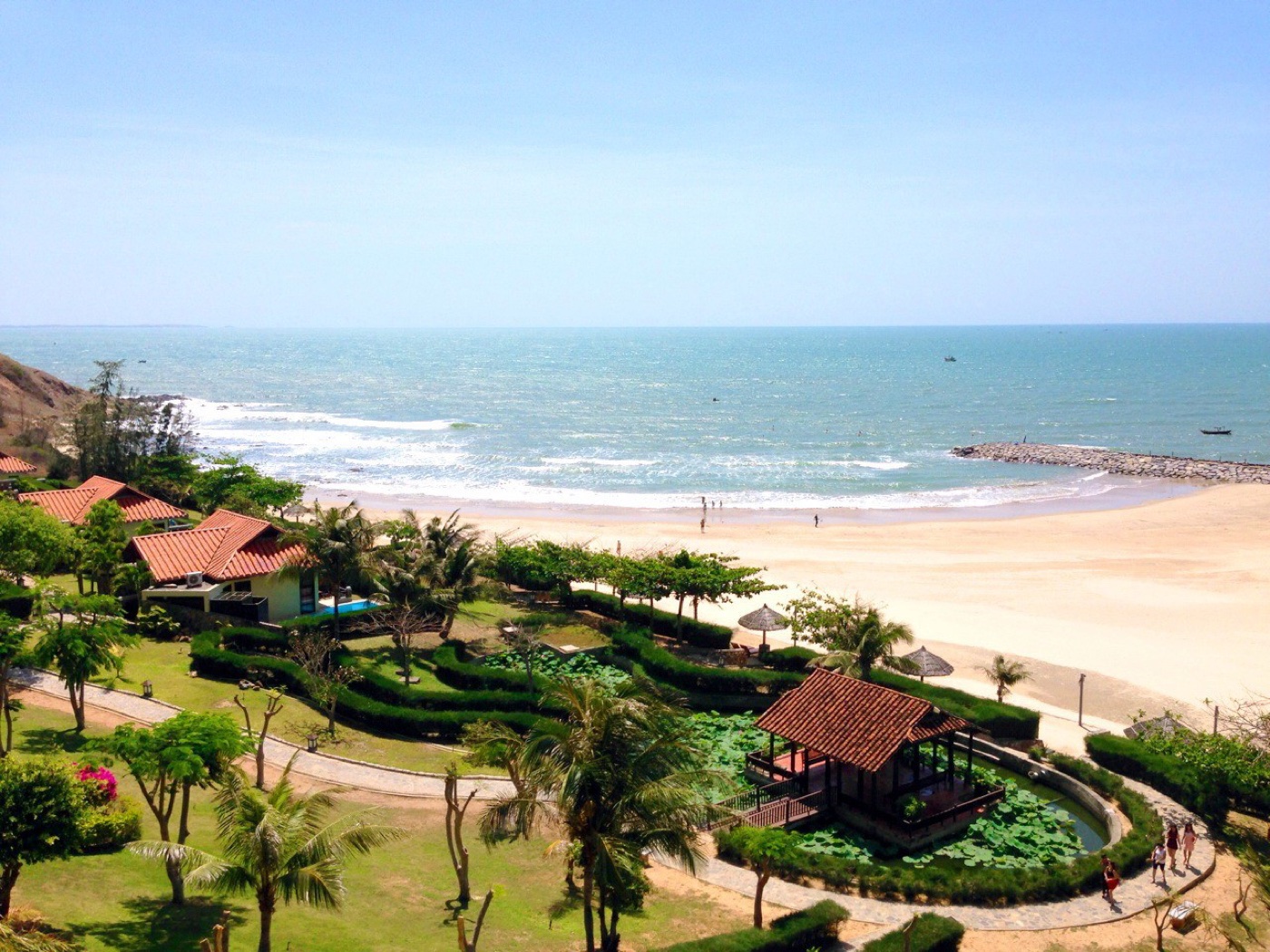
Romana Resort & Spa is a hillside resort facing the sea in Phu Thuy Ward, Mui Ne – Phan Thiet. It suits groups where not everyone kites: the Pool Villa Beach Front sits right beside the beach with its own pool. Romana does not list kitesurfing among its services, but the Front Desk can arrange taxis, and a free electric shuttle runs to Nguyen Thong street. See the official guide to Romana.
Mui Ne is about four hours by road from Ho Chi Minh City; see Ho Chi Minh City airport to Mui Ne and which airport to fly into. Working between sessions on a long stay? Read workation in Mui Ne.
FAQ
When is the kitesurfing season in Mui Ne?
Roughly November to April, with the strongest and most reliable wind from December to March; January is usually the windiest month. October and April are shoulder months, and May to September brings lighter winds.
Can complete beginners learn to kitesurf in Mui Ne?
Yes. Book an IKO-affiliated school, take morning lessons when the wind is lighter and allow about 9–12 hours over three or four days to reach independent riding. You should be comfortable swimming in the sea.
How much does it cost to learn kitesurfing in Mui Ne?
As of November 2026, private lessons cost about US$40–65 per hour, and a 9–12-hour beginner course roughly US$450–650. Check what is included before you pay.
Do I need an IKO card to rent kitesurfing gear in Mui Ne?
Usually, yes. Rental shops ask for an IKO Level 3 card or an equivalent, or watch you ride before handing over gear.
Is there wind for kitesurfing in Mui Ne in summer?
Often, but less of it. From June to September afternoon winds of about 10–14 knots from the south-west or west are common, which suits big kites, hydrofoils and wing foils better than lessons.
Does Romana offer kitesurfing lessons?
No. Romana does not list kitesurfing among its services. The schools are on the Ham Tien–Mui Ne strip, and the Front Desk can arrange a taxi there.
Verified — updated 17/11/2026: monthly wind averages, windy period and wind directions from Weather Spark (model data for Phan Thiet); afternoon wind ranges, spots and kite sizes compiled from kite guides and school pages, which differ by a few knots and weeks; IKO course stages, average hours and minimum age from IKO; history from National Geographic, Wikipedia and Viet Nam News; Phan Rang from VnExpress International. Prices are published rates from school price lists and guides, November 2026. Romana hours and services from Romana's Experiences and official guide pages, 11/2026.