Po Sah Inu Cham Towers, Phan Thiet: history, tickets, opening hours and how to visit
Quick answer: The Po Sah Inu (Po Shanu) Cham towers are three brick temple towers built around the late 8th to early 9th century on Ba Nai hill, Phu Thuy ward (formerly Phu Hai, Phan Thiet), about 7 km north-east of central Phan Thiet and 5–15 km from the Ham Tien strip. Admission is about 10,000–15,000 VND and hours are roughly 7:00–17:00, as of November 2026. Allow 45–60 minutes, cover shoulders and knees, and go early or after 15:30. The Kate festival is held here in October.
Where are the Po Sah Inu towers, and what are they called?
The towers stand on Ba Nai hill, on the coast road between central Phan Thiet and the Ham Tien – Mui Ne resort strip. VnExpress puts them about 7 km north-east of the city centre.
You will see several spellings: Pô Sah Inư, Po Sah Inu, Poshanu and Po Shanu. Locals also call it the Phu Hai tower or Ba Tranh tower, and Vietnamese speakers often say "tháp Chàm".
Since 1 July 2025, Binh Thuan province has been part of a new, larger Lam Dong province, and the former Phu Hai ward is now within Phu Thuy ward (Thu Vien Nha Dat). Vietnamese newspapers in 2026, such as Bao Van Hoa, write "Ba Nai hill, Phu Thuy ward, Lam Dong province"; most maps still say "Phu Hai, Phan Thiet", and both find the same place.
How old are the Po Sah Inu towers, and who built them?
The Cham, whose kingdom of Champa once held much of the central and south-central coast of today's Vietnam, built the towers around the late 8th to early 9th century to worship the Hindu god Shiva (Bao Van Hoa, August 2026). VietnamPlus gives the 8th–9th century, which is the safest way to put it: roughly 1,200 years old.
They are built in the Hoa Lai style, one of the earliest styles of Cham architecture: plain brick walls, round pilasters running up the body, strong horizontal mouldings and curved, vault-like roofs, with very little carved decoration. In 1991 the Ministry of Culture ranked the complex a national architectural and artistic monument. Major restoration took place in 1992–1995, and the most recent in 2017–2018.
The princess behind the name
The towers are older than their name. According to Bao Van Hoa, Po Sah Inu was a Cham princess, daughter of King Para Chanh. Her love for a Muslim leader was blocked by her brother, so she returned to Pajai, today's Phu Hai, lived among ordinary people and taught them weaving and pottery. After her death the Cham built a temple beside the towers. Excavations in 1992–1994 found its foundations, and researchers date her worship here to around the early 15th century.
This is still a place of worship. Bao Lam Dong reports that Cham people come to offer incense almost every day.
What is there to see at Po Sah Inu?
Three towers remain, labelled A, B and C, and all three open to the east, the direction linked in Cham belief with the gods and the sunrise.
| Tower | Size | Dedicated to | What to look for |
|---|---|---|---|
| A, the main tower | About 15 m tall | Shiva | One real east door, three false doors, a Linga–Yoni altar inside |
| B | Smaller than A | Nandin, Shiva's bull | Excavated in 1994; fragments of a stone bull are now in the provincial museum |
| C, the Fire Tower | About 5 m tall | Sacred fire | In front of Tower A; the flame is lit and kept here during Kate |
In front of Tower A you can also see the excavated foundations of the later temple buildings. In July 2026, VOV reported 20 large photo panels about Lam Dong's heritage along the path, plus storytelling, folk song and dance, and hands-on pottery and brocade weaving. The report gave no fixed timetable, so ask at the ticket booth.
The management board counted about 120,000 visitors in the first seven months of 2026, about 7,000 of them from abroad (Bao Van Hoa). Set expectations: much of the original ornament is gone, as Rusty Compass noted, and the interest lies in age, form and living worship.
How much is the ticket, and when are the towers open?
We have not found an official price list online. The table below is compiled from news and travel sources, as of November 2026; prices and hours can change.
| Item | Details as of November 2026 | Notes |
|---|---|---|
| Opening hours | About 7:00–17:00 | One listing says closing is 15:00 |
| Admission | 10,000 VND per visit | VnExpress (updated August 2026); other guides give 10,000–15,000 VND, and one 2023 blog paid 17,000 VND |
| Where to buy | At the gate | Bring small notes in cash |
| Free days | Occasionally, e.g. 28–31 August 2025 | Announced by the provincial museum around National Day |
| Kate festival | Usually October | 2025 opened 21 October; 2026 rituals on 9–10 October |
| Time needed | 45–60 minutes; 1–1.5 hours with Lau Ong Hoang | Longer at festival time |
The car park is beside the ticket booth (Paths Unwritten). From there the path climbs the hill to the towers.
When is the best time to visit Po Sah Inu?
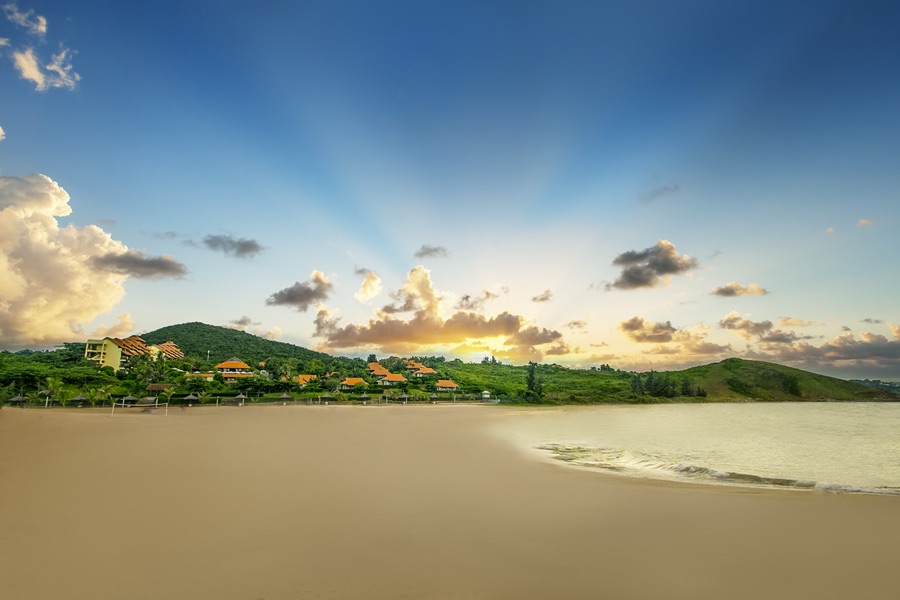
Late afternoon is the most comfortable: arrive around 15:30–16:00 and the low sun warms the red brick, with time left to see all three towers. In 2026 the sun sets in Phan Thiet between about 17:20 (mid-November) and 18:14 (July), according to sunrise-sunset.org, so sunset itself falls after the usual closing time.
Early morning, from opening to about 9:00, is cooler and suits children and older travellers. Midday is hot and glary on the open hilltop; avoid it.
By season, the dry, sunny and windy months run roughly November to April, and the rainy season roughly May to October, when summer afternoons often bring showers; VnExpress suggests sightseeing in the morning then. Month-by-month detail is in best time to visit Mui Ne, and wet-weather alternatives in rainy day in Mui Ne.
When is the Kate festival at Po Sah Inu?
Kate is the largest festival of the Cham who follow the Brahmanist (Hindu) tradition, and a national intangible cultural heritage. Vietnam Law Magazine places it on the first day of the seventh month of the Cham calendar, usually late September or early October, though in 2025 it opened at the towers on 21 October (Tuoi Tre).
In 2026, Viet Nam News listed the rituals at the towers for 9–10 October, with crafts and games in Bac Binh on 11–12 October and an exhibition until 25 October. The opening was held at the towers on the morning of 10 October, in this order (VOV):
- A procession carrying the goddess Po Sah Inu's garments.
- Opening the door of the tower.
- Bathing and dressing the Linga–Yoni altar.
- A main offering of thanks to the goddess, the deities and the ancestors.
Dates follow the Cham calendar, so check the province's announcement before planning a trip around it. Expect crowds, and follow the organisers' instructions on where to stand and when to take photos.
What should you wear, and how should you behave?
- Cover shoulders and knees, especially if you go inside Tower A.
- Do not climb the towers, the altars or the old brick walls, and do not scratch names into them.
- Keep your voice down and give way to anyone praying or making offerings.
- Ask before photographing worshippers.
- Follow the caretaker's instructions inside the towers.
- Bring a hat, water and comfortable shoes, as the path climbs a hill slope.
What is the view like, and what is Lau Ong Hoang next door?
The towers look down on the fishing harbour at the mouth of the Phu Hai river, and the top of Ba Nai hill looks over Phan Thiet (Paths Unwritten); on clear mornings you can see along the coast to Mui Ne (Mia.vn).
A short walk away are the ruins of Lau Ong Hoang, "the Prince's villa". Bao Van Hoa puts them about 100 m from the towers; OpenStreetMap and Paths Unwritten put them about 200 m away at the top of the hill. VnExpress says the villa was built in 1911 by the Duke of Montpensier (Ferdinand d'Orléans, of the French royal family), and that only its underground foundations remain, next to a French-era bunker that most visitors come to see.
In the 1930s the poet Han Mac Tu and Mong Cam, a young poet living in Phan Thiet, visited the hilltop together, and Vietnamese visitors still come for their story. The ruins are entered through the same gate, and we have found no separate ticket.
For the sunset itself, the Doc Hoang Hon slope on Nui Co hill, on the road linking the towers and Lau Ong Hoang, draws hundreds of people at weekends between 16:00 and 18:00 (Bao Lam Dong, March 2026).
How do you get to Po Sah Inu from Ham Tien or Phan Thiet?
The towers are just off Nguyen Thong street, the road between Phan Thiet and the resort strip, up a short, steep slope. Taxis, ride-hailing cars, motorbikes and cars with drivers all reach the car park. If you are staying far up the strip, arrange your ride back before you go in.
| From | Distance by road | Time by car |
|---|---|---|
| Ong Dia rocky beach, western end of Ham Tien | About 5 km | About 10 minutes |
| Middle of Nguyen Dinh Chieu street, Ham Tien | About 10 km | 15–20 minutes |
| Fairy Stream, eastern end of Ham Tien | About 14 km | 20–25 minutes |
| Mui Ne fishing village | About 17 km | 20–30 minutes |
| Central Phan Thiet (market area) | About 8 km | 10–15 minutes |
| Phan Thiet railway station | About 10 km | About 15 minutes |
| Romana, Phu Thuy ward | About 4 km | About 10 minutes |
Distances are measured on OpenStreetMap to the site car park and rounded; times are estimates with clear roads. No motorbike? See Mui Ne without a motorbike.
How long should you spend, and what can you combine it with?
Allow 45–60 minutes for the three towers and up to 1.5 hours with Lau Ong Hoang, which makes Po Sah Inu easy to fold into a half day.
| Time | Plan | Good for |
|---|---|---|
| 1–1.5 hours | Towers, then Lau Ong Hoang | A short late-afternoon outing |
| Half day, afternoon | Lang Chai Xua museum during the midday heat, towers at 15:30, sunset at Nui Co | Couples, photographers |
| Half day, morning | Central Phan Thiet (Van Thuy Tu whale skeleton, Duc Thanh school, water tower), then the towers | Families interested in local history |
| Full day | Sunrise at the fishing village or the sand dunes, rest at midday, towers in the afternoon | First-time visitors |
Lang Chai Xua, a museum of the fishing village and fish-sauce trade, is on the same Nguyen Thong road and mostly indoors. On the way back towards Ham Tien you pass RD Wine Castle and Sea Links and Ong Dia rocky beach. For a wider list with times and prices, see things to do in Mui Ne; for a full plan, the Mui Ne 3-day itinerary or Phan Thiet in 4 days. Quick ideas by area are on Explore Mui Ne.
Where to stay near the Po Sah Inu towers
The Phu Hai – Phu Thuy area sits between central Phan Thiet and the Ham Tien strip, close to the towers, Sea Links golf course and RD Wine Castle; compare it with the main strip in where to stay in Mui Ne.
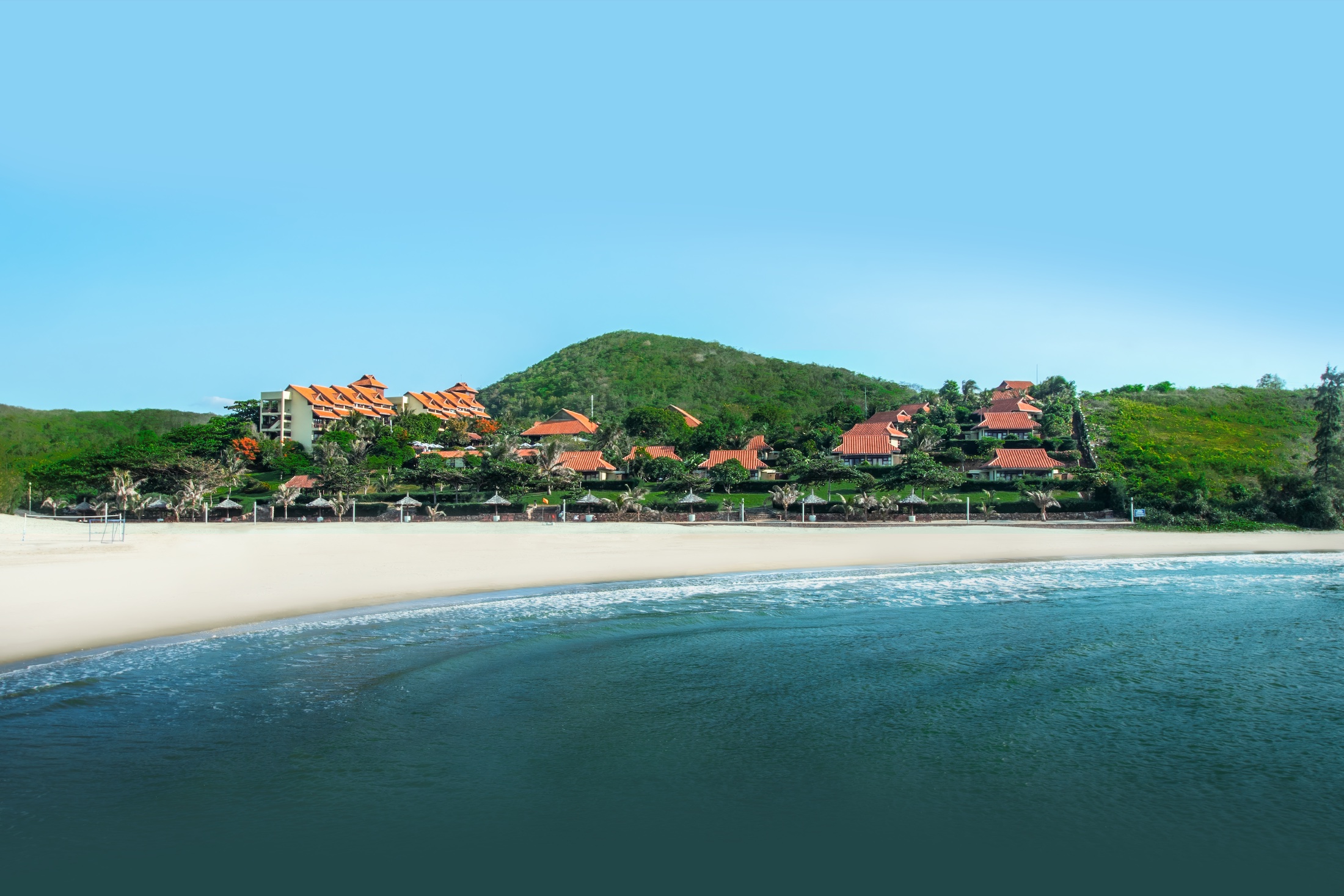
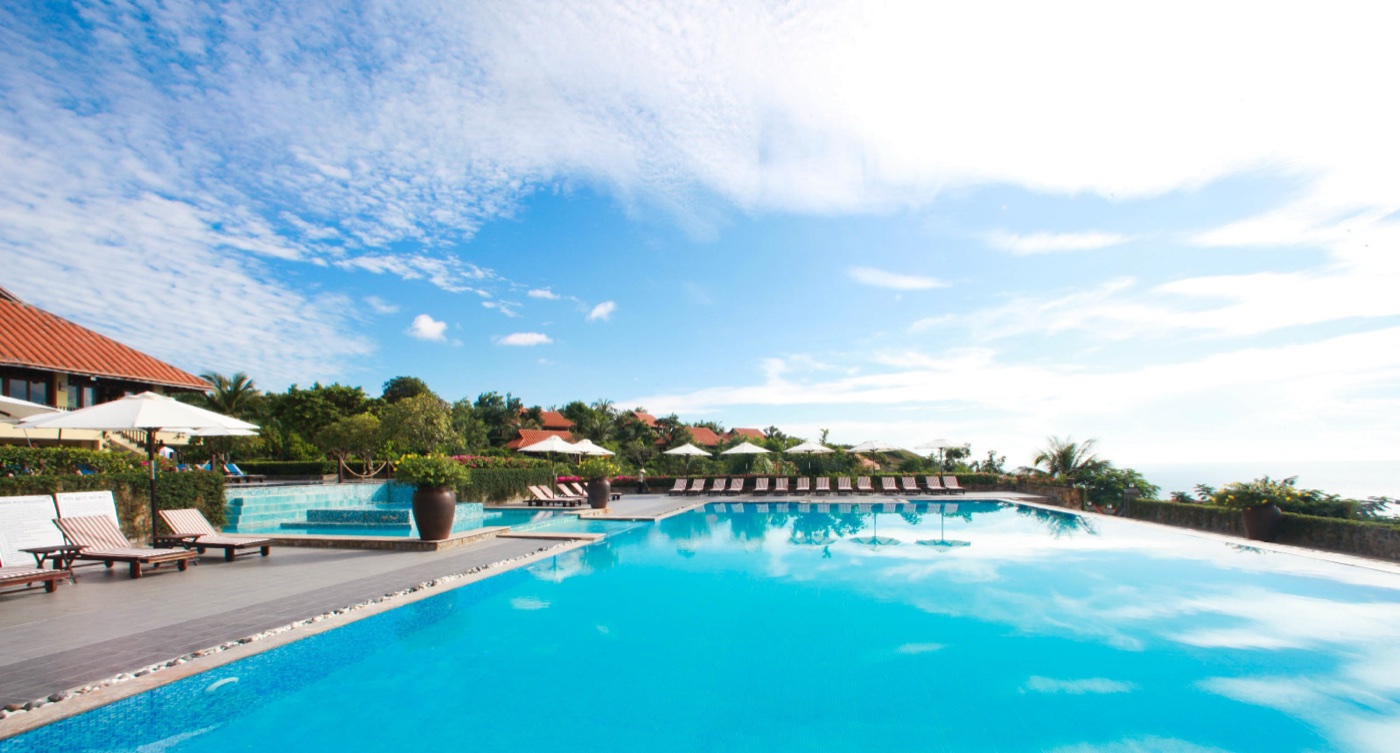
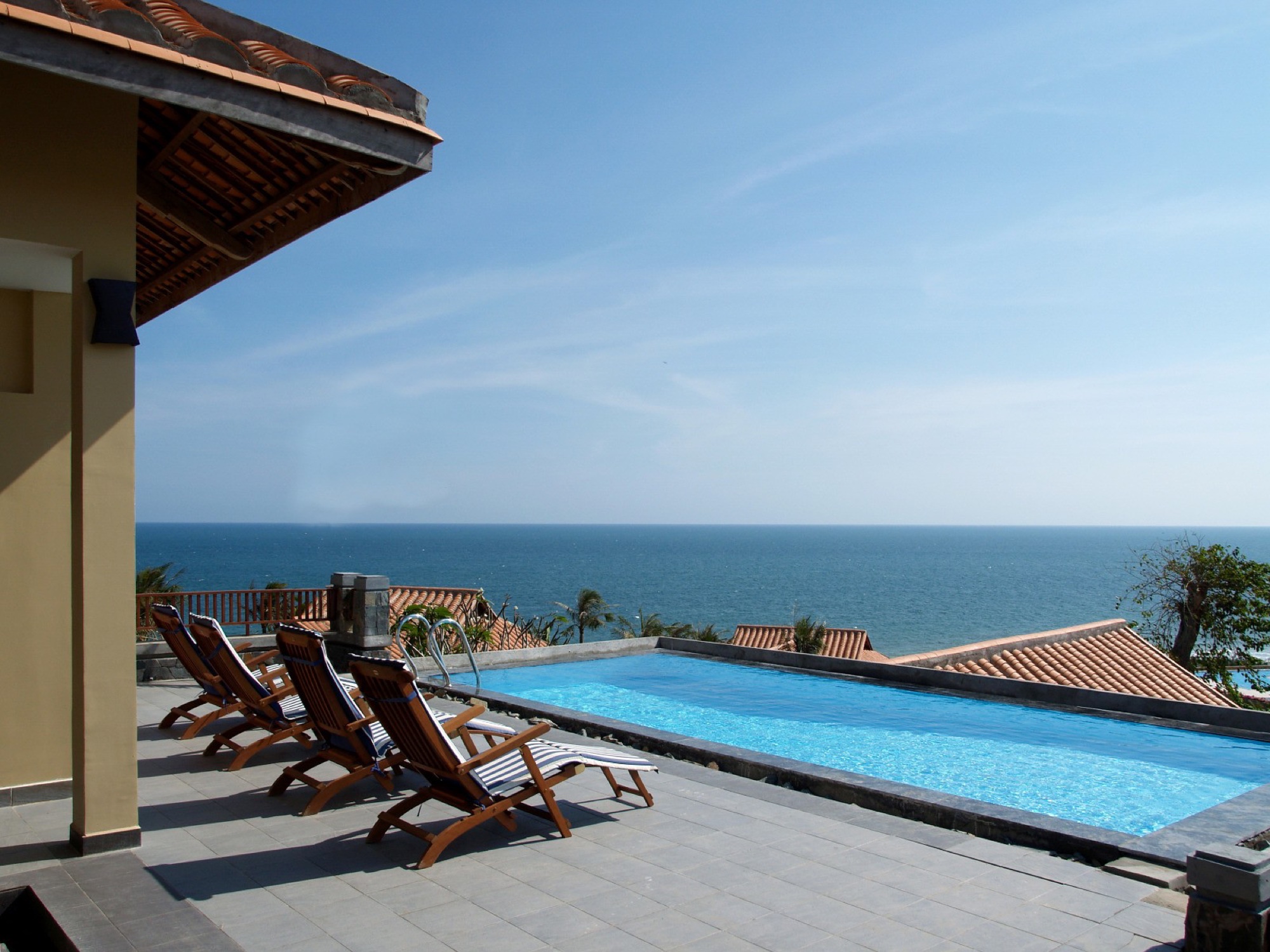
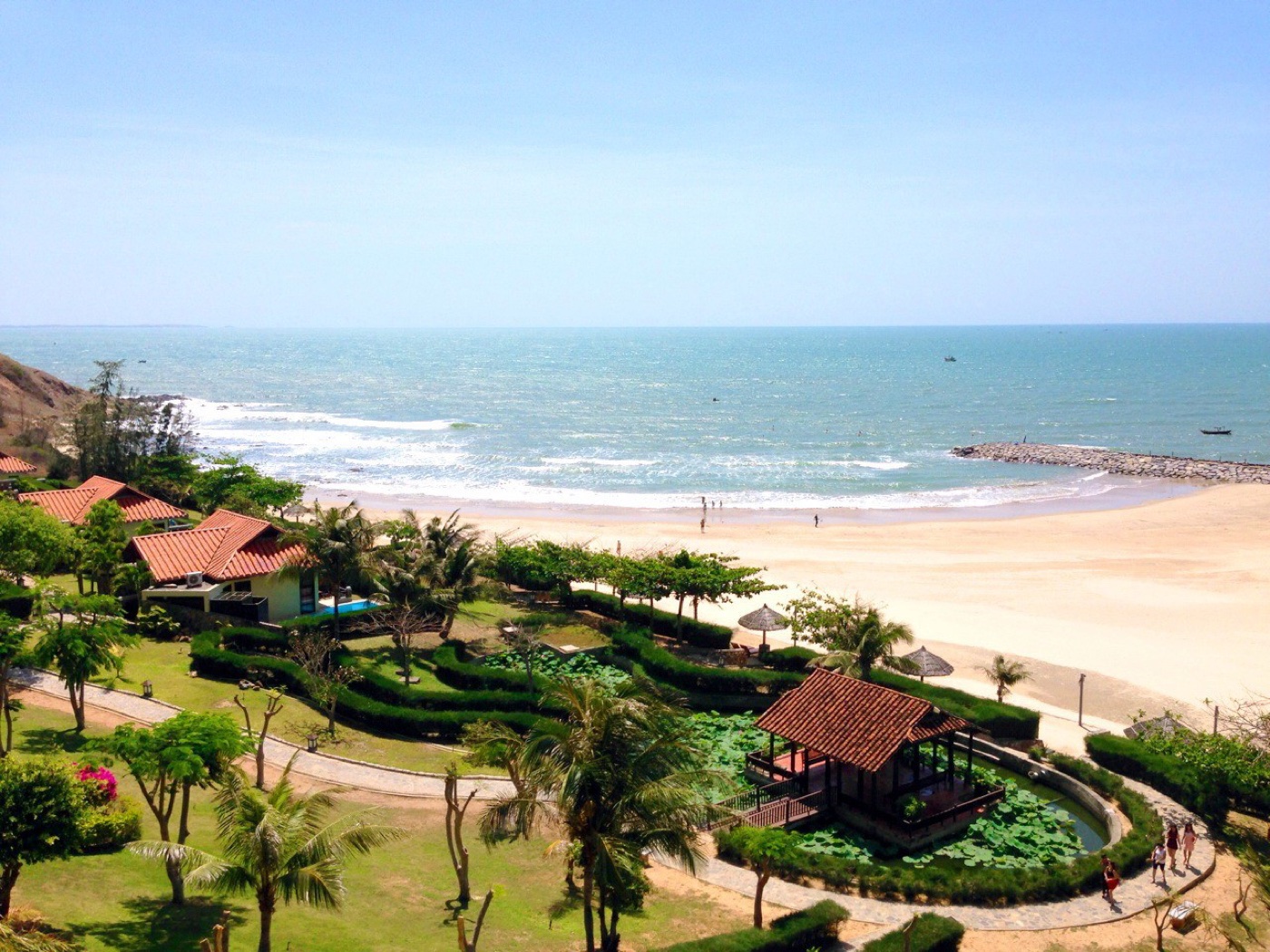
Romana Resort & Spa is a hillside resort facing the sea in Phu Thuy Ward, about 4 km by road from the towers' car park. Reception books taxis, Guest Relations arranges cars with drivers, and a free electric shuttle runs between the resort and Nguyen Thong Street. Reception also recommends and books day tours around Mui Ne – Phan Thiet. Back at the resort, the pool and jacuzzi are open 06:00–22:00, Laguna Bar 10:00–22:00 and Oceania Spa 09:00–22:00 (guest directory).
Rooms range from Deluxe Ocean View rooms with a private balcony to the Pool Villa Ocean View, Pool Villa Beach Front and a three-bedroom family villa; see rooms and villas and the official guide to Romana. Reading in Vietnamese? The same towers are covered in our Vietnamese guide.
FAQ
Where are the Po Sah Inu Cham towers?
On Ba Nai hill in Phu Thuy ward, Lam Dong province (Phu Hai ward, Phan Thiet, Binh Thuan before July 2025), about 7 km north-east of central Phan Thiet and 5–15 km from the Ham Tien strip.
How old are the Po Sah Inu towers?
They were built by the Cham around the late 8th to early 9th century, which makes them about 1,200 years old. They have been a national monument since 1991.
How much is the ticket to Po Sah Inu?
As of November 2026, VnExpress lists 10,000 VND per visit and other guides 10,000–15,000 VND. Buy it at the gate with cash.
What are the opening hours of Po Sah Inu?
Most sources give about 7:00–17:00 daily, and one listing says 15:00. If you plan to arrive late in the afternoon, check before you go.
Is there a dress code at the Cham towers?
It is an active place of worship, so cover shoulders and knees, do not climb the towers or altars, and ask before photographing people at prayer.
When is the Kate festival at Po Sah Inu?
It follows the Cham calendar and usually falls between late September and late October. In 2025 it opened on 21 October; in 2026 the rituals at the towers were held on 9–10 October.
Verified — updated 17/11/2026: dating, Hoa Lai style, the three towers, east-facing doors, 1994 finds, 1991 ranking and location on Ba Nai hill, Phu Thuy ward from Bao Van Hoa, 24 August 2026; the princess legend, 1992–1994 excavations, restorations, visitor numbers and the 100 m distance to Lau Ong Hoang from Bao Van Hoa, 28 August 2026; 8th–9th century from VietnamPlus; daily worship from Bao Lam Dong, May 2026; cultural activities from VOV, 23 July 2026; 7 km distance, 10,000 VND ticket, 1911 villa and seasons from VnExpress, updated 6 August 2026; hours and the 10,000–15,000 VND range compiled from VinWonders, Mia.vn and MoMo, and the free days of 28–31 August 2025 from a provincial museum notice, as cited in our Vietnamese guide; car park, view over the Phu Hai river mouth, 200 m to Lau Ong Hoang and the 2023 ticket from Paths Unwritten; visitor notes from Rusty Compass; Kate timing from Vietnam Law Magazine, 2025 from Tuoi Tre, 2026 from Viet Nam News, 21 September 2026 and VOV, 10 October 2026; Nui Co sunset slope from Bao Lam Dong, 19 March 2026; sunset times from sunrise-sunset.org; administrative changes from Thu Vien Nha Dat. Distances measured on OpenStreetMap and rounded; times are estimates. Romana hours and services from Romana's guest directory and FAQ pages, 11/2026.